




Description
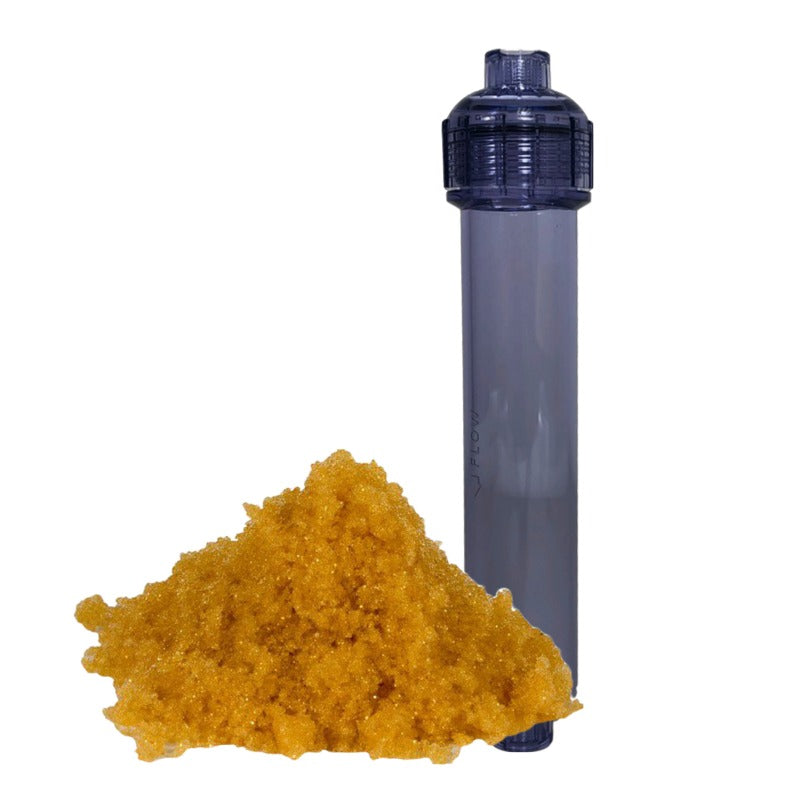
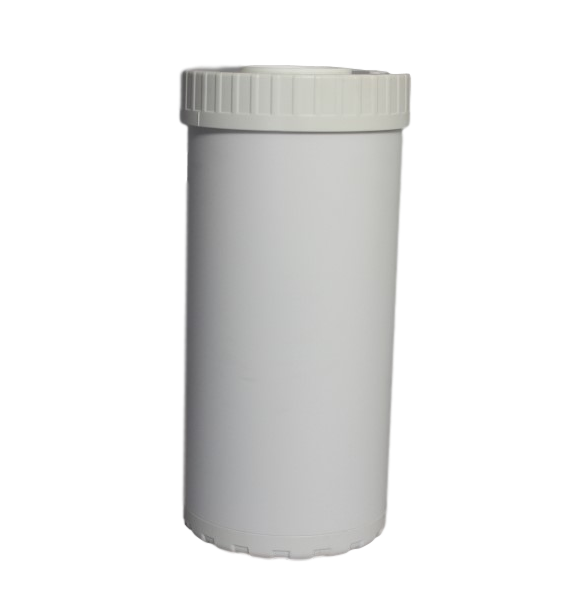
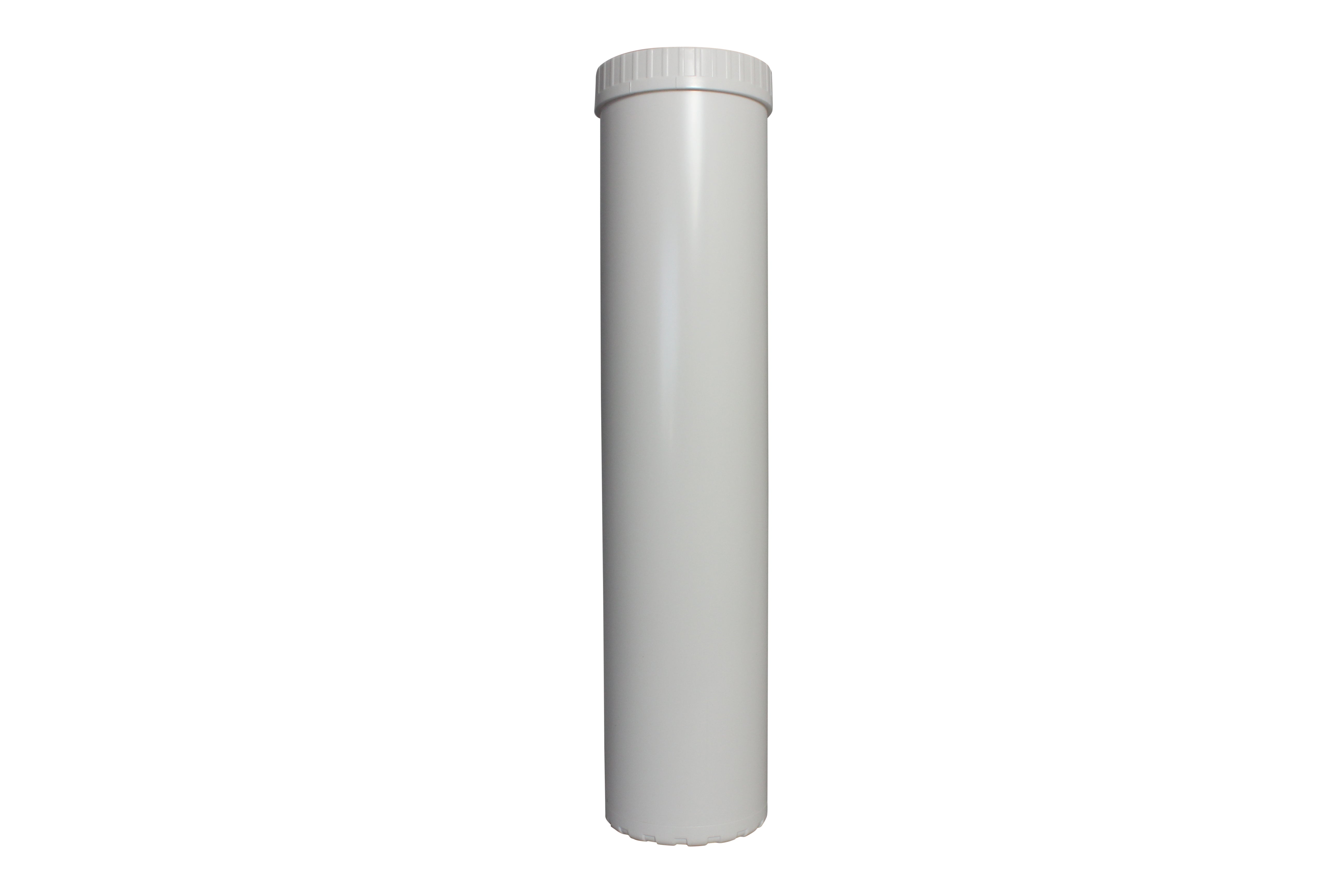
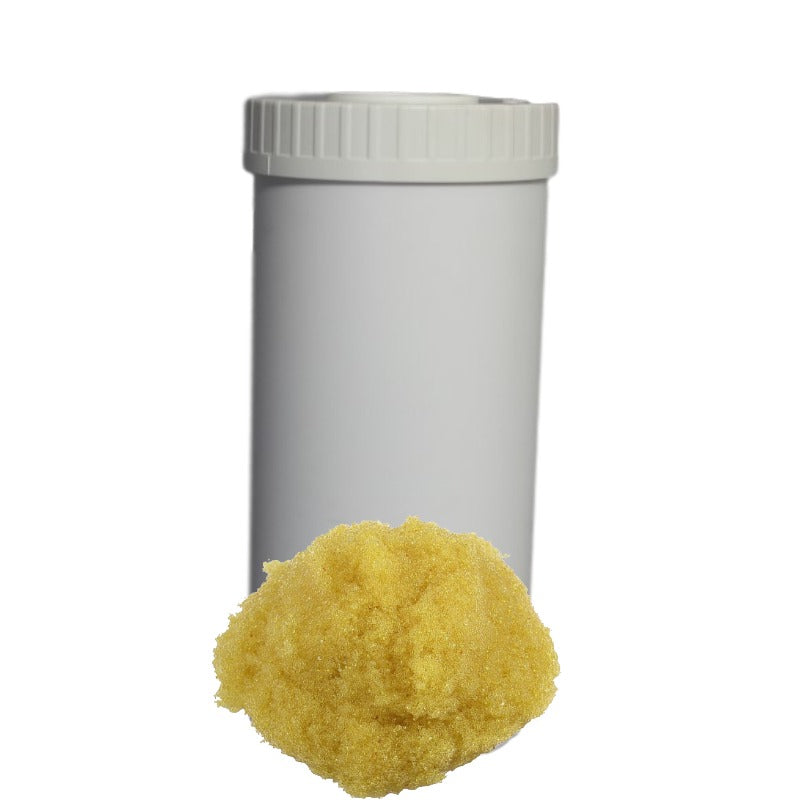
Mixed Bed Resin Deionising / Demineralising Cartridge
Our mixed-bed DI cartridges remove dissolved ionic minerals from water to produce very low-mineral deionised water.
They are particularly useful for spot-free vehicle rinsing, window cleaning, laboratory use and other applications where mineral residue needs to be minimised.
Mixed-bed resin contains both cation and anion exchange resins. As water passes through the cartridge, dissolved ions including calcium, magnesium, iron, copper and other dissolved salts are exchanged by the resin, substantially reducing the mineral content of the treated water.
Available Sizes & Capacity
| Model | Cartridge Size | Estimated Removal Capacity |
|---|---|---|
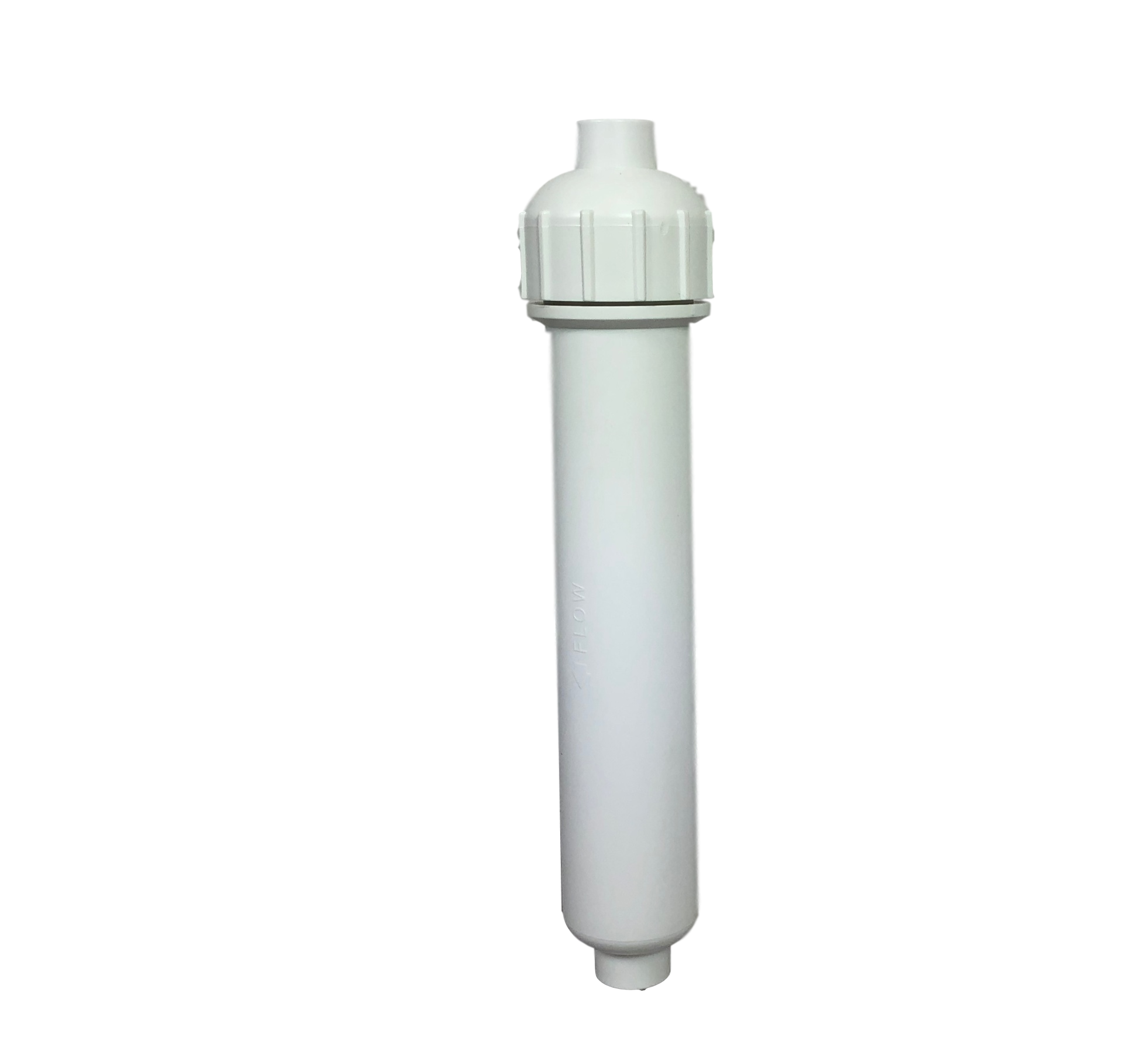
| INMBR | Inline – 1/4" tube connection | 11,000 ppm·L |
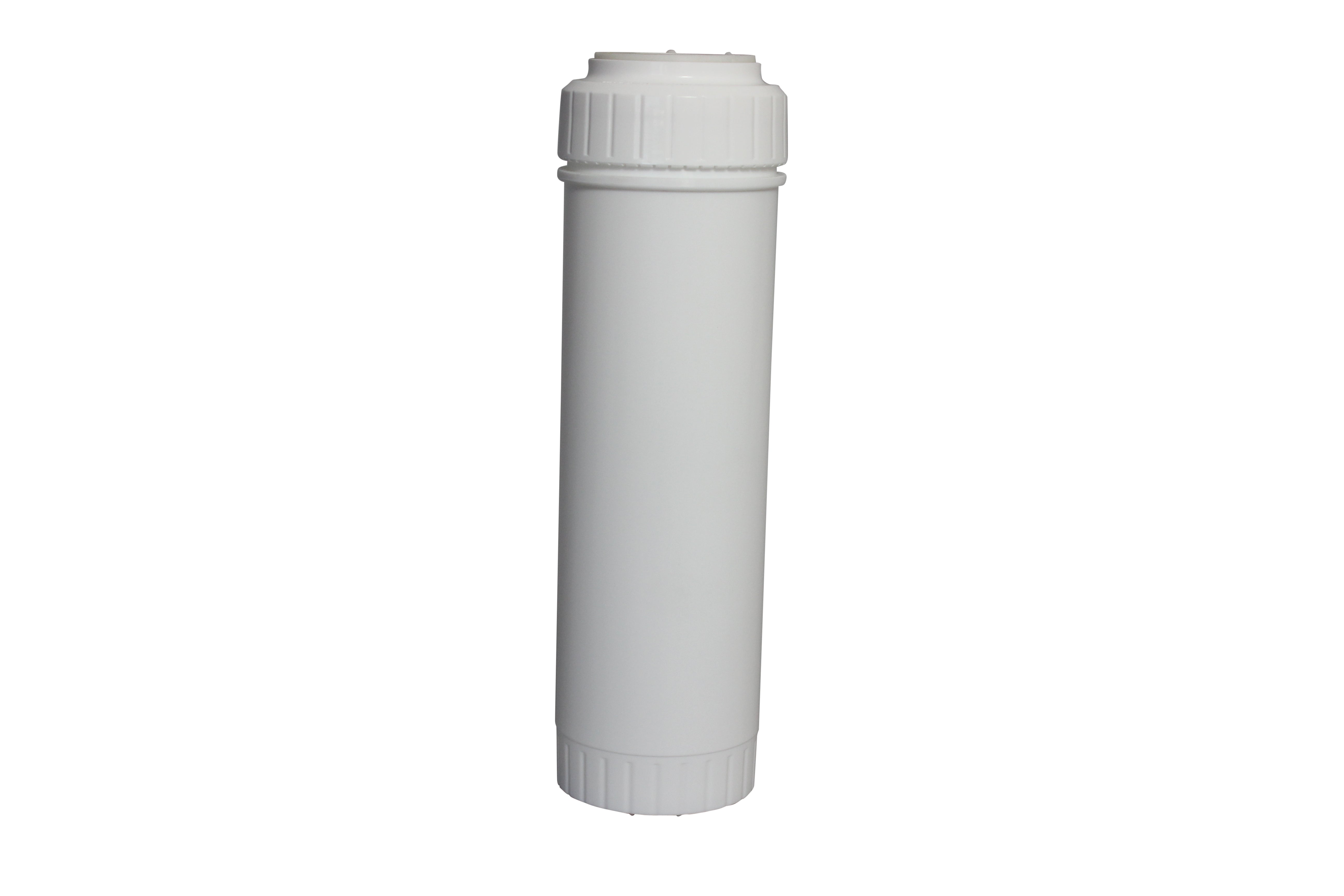
| MBR10 | 10" × 2.5" Standard | 13,750 ppm·L |
| MBR10J | 10" × 4.5" Jumbo | 55,000 ppm·L |
| MBR20J | 20" × 4.5" Jumbo | 123,900 ppm·L |
The 10" Jumbo has approximately four times the capacity of the 10" Standard cartridge, while the 20" Jumbo provides approximately nine times the capacity.
How to Estimate Cartridge Life
Cartridge life depends largely on the TDS (Total Dissolved Solids) of the incoming water.
Use:
Cartridge capacity ÷ incoming water TDS = approximate litres treated
For example, with water at 200 ppm TDS:
| Cartridge | Approximate DI Water |
|---|---|
| MBR10 Standard | 69 litres |
| MBR10J Jumbo | 275 litres |
| MBR20J Jumbo | 620 litres |
These figures are estimates only. Actual capacity will vary depending on the types of dissolved minerals present, flow rate and the required outlet-water purity.
Recommended Flow for Best DI Performance
Flow rate is important with deionising resin.
For best mineral removal, water needs enough contact time with the resin for the ion-exchange process to take place.
| Cartridge | Recommended Working Flow |
|---|---|
| INMBR Inline | approx. 0.2–0.3 LPM |
| MBR10 Standard | approx. 0.2–0.4 LPM |
| MBR10J 10" Jumbo | approx. 1.0–1.5 LPM |
| MBR20J 20" Jumbo | approx. 2–3 LPM |
These are recommended working-flow guides rather than maximum mechanical flow ratings.
Running water faster may still produce demineralised water, but the outlet TDS can increase because the water has less contact time with the resin. Slowing the flow gives the resin more time to exchange dissolved ions and generally produces lower-TDS water.
This is particularly important when using DI water for spot-free car or window rinsing.
How Do I Reduce the Flow?
For a garden-hose-connected system, the easiest method is simply to partially close the garden tap until the required flow is reached.
Alternatively, an inline flow-control or ball valve can be installed on the outlet side of the filter.
An easy way to check the flow is with a bucket and stopwatch:
Collect the outlet water for 30 seconds and multiply the number of litres collected by two.
For example:
0.6 litres collected in 30 seconds = 1.2 LPM
There is no need for a high-pressure spray for the final DI rinse. A gentle, steady flow is preferable and also reduces unnecessary use of the DI resin.
Spot-Free Car & Vehicle Rinsing
DI filtration is ideal where bore, well or mains water leaves white mineral deposits on paintwork or glass.
For maximum cartridge life, wash the vehicle using normal water and use the DI-filtered water only for the final rinse.
For garden-hose applications, we generally recommend the 10" Jumbo or 20" Jumbo cartridge, as their greater resin capacity allows a more practical rinse flow and considerably longer cartridge life.
How Do I Know When the Resin Is Exhausted?
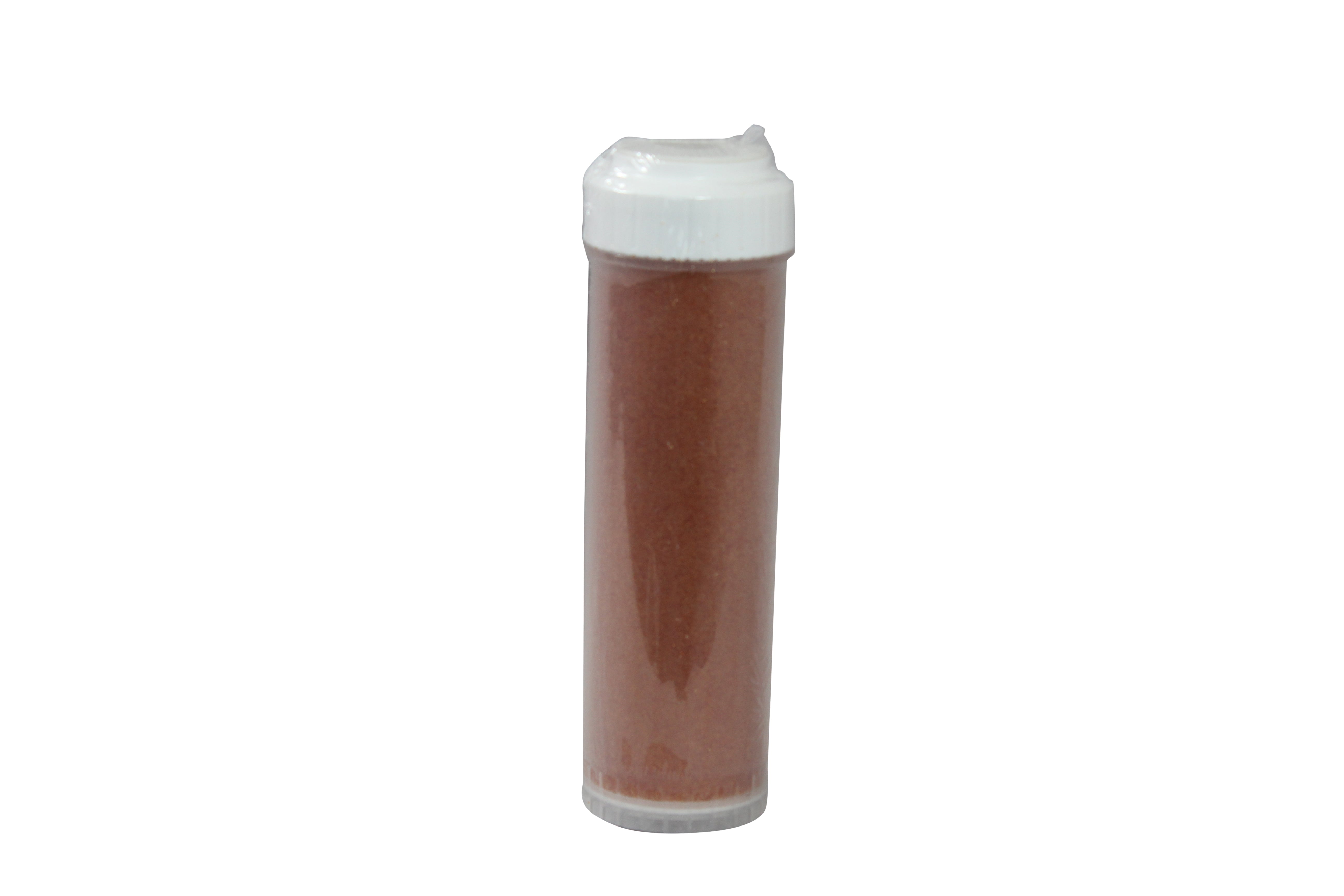
With colour-indicating resin, the media changes from amber to red as it becomes exhausted.
With non-colour-indicating resin, we recommend checking the outlet water periodically with a handheld TDS meter.
As the resin becomes exhausted, outlet TDS will begin to rise. For applications where very low mineral content is important, replace the cartridge or resin once the outlet TDS rises above the level acceptable for your application.
Important – Silica
These cartridges are designed primarily for the removal of ionic dissolved minerals.
They should not be relied upon as the primary treatment for elevated silica in untreated bore or well water. If silica is suspected to be the cause of spotting or deposits, we recommend having the water tested before selecting a treatment system.
Typical Applications
- Spot-free car, motorhome and boat rinsing
- Window and glass cleaning
- Laboratory and technical applications
- Final polishing following reverse osmosis
- Production of low-TDS/deionised water
Uses Aquatrol MB6040SG and/or Resinex MX-2 mixed-bed ion-exchange resin depending on the cartridge selected. Your current page already links both manufacturers' technical sheets. Water Filters Online Aotearoa
Download Aquatrol MB6040SG Spec Sheet (PDF) | Download Resinex MX-2 Spec Sheet (PDF)
Local NZ Stock | Fast Shipping | NZ Customer Support