


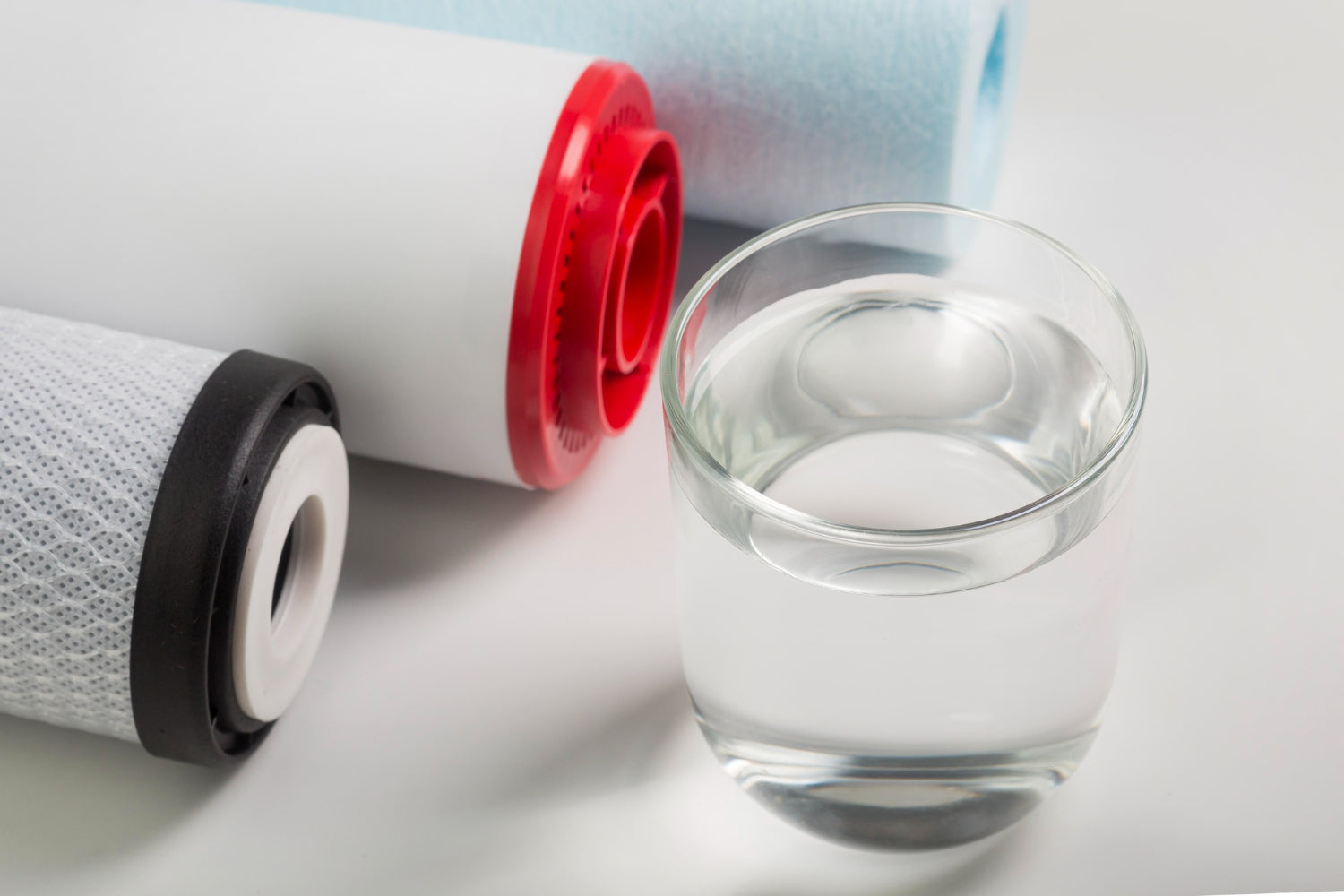
Have you ever poured yourself a glass of tap water, taken a sip, and thought something just did not taste right? You are not imagining things. In many parts of New Zealand, treated municipal water contains traces of chlorine, sediment, and other substances that, while generally safe at regulated levels, can still affect how your water tastes and smells daily. That is where carbon filtration steps in, and once you understand how it actually works, it is hard to go back to unfiltered water.
We started Water Filters Online because clean, good-tasting water should not be a guessing game for New Zealand families, and everything we stock reflects that. If your home’s water setup is something you have been meaning to sort out, taking a look at our drinking water systems and parts is worth your time.
What Is a Carbon Water Filter, and Why Does It Matter?
Most people have heard of carbon filters without really knowing what sets them apart from other filtration options. At its core, activated carbon is a specially treated material, typically derived from coconut shells, coal, or wood, in which extreme heat creates countless microscopic pores across its surface. That process is what the word “activated” refers to, and those pores are the whole point. To put the scale of it into perspective, a single gram of this material can provide a surface area equal to several tennis courts, all packed into something small enough to fit in your hand. That is a lot of real estate for trapping unwanted things from your water.
In New Zealand, carbon-based filtration is one of the most widely used methods for improving household drinking water, and for good reason. Whether you are on a town supply in Auckland or Hamilton, or drawing from a tank on a rural property, an activated carbon filter addresses the kinds of water quality concerns that most Kiwi families deal with every day.
How the Filtration Process Actually Works
The process that makes carbon filters so effective is called adsorption, and no, that is not a typo for “absorption.” Adsorption is not the same as absorption, even though the two words get mixed up constantly. Rather than soaking contaminants up and carrying them through, adsorption works by pulling unwanted substances out of the passing water and holding them against the carbon surface, where they stay bonded while the cleaner water moves on. Chlorine, volatile organic compounds (VOCs), pesticide residues, and a range of other chemicals all get caught this way, so by the time your water comes out the other end, much of what was riding along with it has already been left behind inside the filter.
Inside the cartridge itself, you will generally come across one of two configurations. Granular activated carbon (GAC) consists of loose carbon particles that water weaves through, making it a practical option for everyday chlorine reduction and general taste improvement. Carbon block filters, on the other hand, press the carbon into a dense, solid form that slows the water down and forces closer contact with the filtering material. That extended contact time means finer filtration, and it is why carbon block cartridges tend to be the go-to choice for under-sink and inline drinking water setups across New Zealand homes.
The Benefits of Using an Activated Carbon Filter in Your Home
Better Taste, Every Single Time
The most noticeable benefit is better-tasting water. Activated carbon filtration quickly removes chlorine from NZ tap water, which is commonly added by councils to keep water safe, but often leaves it with a flat, sharp taste. Once filtered, your water tastes cleaner and more refreshing every time.
Odour Reduction
Closely related to taste, water odour is another common complaint in New Zealand households, particularly in areas where water sits in older pipes or where tank water is used. The same adsorption process that strips out chlorine also tackles hydrogen sulphide (that rotten-egg smell), musty organic compounds, and other sources of unpleasant odours. After fitting a quality carbon filter, the difference is usually noticeable from the very first use.
Reduction of Harmful Compounds
While no single filter type removes every possible contaminant, activated carbon filtration is particularly strong at reducing a wide range of chemical compounds, including certain herbicides, pesticides, and industrial solvents that can find their way into water supplies. For families with children, elderly members, or anyone who simply prefers to know that their drinking water has gone through a meaningful level of treatment, this is a genuine reassurance rather than just a marketing promise.
Better for Your Appliances
This is one benefit that often gets overlooked. Appliances that run on cleaner water, free from sediment buildup and chemical residues, simply hold up better over time. Your dishwasher, coffee machine, and fridge water dispenser all take a quiet hit from unfiltered supply water, and reducing that load adds years to how long they stay in good working order. Limescale buildup, clogging, and mineral deposits become less of an issue, which means you are quietly protecting your investments as well as improving the water you drink. If your fridge has a built-in water or ice dispenser, regularly replacing its filtration media is just as important as the filter system under your sink. You can find a range of options in our fridge filter collection to keep things running smoothly.
Where Carbon Filters Fit in a NZ Home Setup
Not every home needs the same filtration setup, and where you install a carbon filter matters just as much as which one you choose. The good news is that carbon-based filtration works across a range of configurations, so there is generally a practical fit for most households regardless of size or water source.
Point-of-use filters, fitted directly to your kitchen tap or along your fridge’s water line, target a single draw point rather than the whole house. They are a neat, low-cost way to get genuinely clean drinking water without overhauling your entire plumbing setup, which is why so many NZ households start here.
Whole-house carbon filters take a broader approach by treating water as it enters the property, before it reaches any tap or appliance. Rural homes drawing from a tank or bore water tend to benefit most from this kind of setup, since the incoming supply can carry higher levels of organic matter, sediment, and other compounds that are better dealt with at the source.
Multi-stage systems build on carbon filtration by layering in additional treatment steps, such as sediment pre-filters, UV disinfection, or reverse osmosis membranes. For anyone dealing with bore water, tank water, or a supply that carries concerns beyond just chlorine, a multi-stage approach covers more ground and tends to be the smarter long-term call.
How Often Should You Replace Your Carbon Filter?
The activated carbon has a finite capacity to adsorb contaminants, and once those sites are full, the filter stops doing its job effectively. In some cases, a completely saturated filter can even begin to release previously captured substances back into the water, which is obviously the opposite of what you want.
As a general guide, most standard carbon cartridges used in New Zealand homes should be replaced every six to twelve months, depending on your water usage, the quality of your incoming supply, and the specific cartridge specifications. Households with higher daily consumption, or those drawing from tank water with heavier contamination loads, will typically need to replace cartridges more frequently. Our replacement filter cartridge range covers a wide variety of systems and sizes, so finding a compatible option for your setup is straightforward.
One practical tip worth remembering: do not wait until your water starts tasting off again before changing the cartridge. By the time you notice a difference in taste or flow, the filter is well past its useful life. Setting a calendar reminder every six months is a simple habit that keeps your filtration working the way it should.
Carbon vs UV vs Reverse Osmosis: Which Filter Type Do You Need?
Carbon filtration is the right choice for most NZ homes, but it helps to understand how it stacks up against other common filter types before making a decision. Here is a straightforward comparison to guide you.
|
Feature |
Carbon Filter |
UV Filter |
Reverse Osmosis (RO) |
|
Removes chlorine and taste/odour |
Yes |
No |
Yes |
|
Removes bacteria and microorganisms |
No |
Yes |
Partial |
|
Removes heavy metals and nitrates |
Partial |
No |
Yes |
|
Keeps beneficial minerals intact |
Yes |
Yes |
No |
|
Requires electricity |
No |
Yes |
No |
|
Installation complexity |
Low |
Medium |
Medium to High |
|
Maintenance frequency |
Every 6-12 months |
Annual lamp replacement |
Every 6-12 months |
|
Best suited for |
Town supply, everyday drinking |
Bore or tank water with biological risk |
Bore water with high dissolved solids or heavy metals |
|
Works well combined with |
UV or RO for added protection |
Carbon filter for chemical removal |
Carbon filter to improve taste |
For most households on a treated town supply in New Zealand, a carbon filter covers everything that matters on a day-to-day basis. For homes drawing from a bore or rural tank, running carbon filtration alongside a UV system tends to cover the bases that neither technology fully addresses on its own, with one handling chemical concerns and the other biological ones.
Is a Carbon Filter Enough on Its Own?
For most New Zealand households on a treated town supply, an activated carbon filter handles the main concerns very well. Chlorine taste, odours, and a portion of chemical contaminants are all addressed effectively. However, it is worth being honest about what carbon filtration does not cover. It is not designed to remove dissolved minerals, heavy metals like lead or arsenic at high concentrations, nitrates, or microbial contamination on its own.
If your water comes from a bore or tank source, or if you have had a water test that flagged specific concerns beyond chlorine and organic compounds, you may benefit from pairing a carbon filter with additional treatment stages. This is where a conversation with our team can be genuinely useful, because if you are not sure what your water actually needs, we are happy to help you work through it. You might also find our blog on what a fridge water filter actually does a helpful starting point, particularly if point-of-use filtration is where you want to begin.
Making the Switch: Practical Steps for NZ Homeowners
Getting started does not have to mean calling a plumber or spending a weekend pulling apart your kitchen. A basic inline carbon water filter for NZ homes can be clipped onto a fridge line or tap fitting in minutes, with no tools required. Under-sink systems take a little more effort but are well within reach for anyone handy around the house, and the instructions that come with most units are genuinely straightforward.
What matters most is matching the right cartridge to your actual setup, because flow rate, filter size, and the type of carbon media all affect how well the system performs in your specific situation. At Water Filters Online, we stock Magnum Filters as a master reseller agent, and our range covers everything from small apartment installs to larger rural properties.
Clean, great-tasting water at home is not a luxury. It is something every household deserves, and with the right carbon filter in place, it is also very achievable.
FAQs
Does a carbon water filter remove fluoride?
Standard activated carbon filters do not remove fluoride to any significant degree. If fluoride reduction is a priority for your household, a specialist filter cartridge or a reverse osmosis system would be the more suitable option.
How do I know when my carbon filter needs replacing?
A noticeable change in taste, smell, or water flow is the most common sign, but by that point, the filter is already past its best. Replacing it every six months, regardless of how it seems, is a much more reliable approach.
Can I use a carbon filter with tank or bore water?
Yes, but it works best as part of a multi-stage setup. Tank and bore water often carries biological contaminants that carbon alone cannot address, so combining it with a UV filter gives you broader coverage and greater peace of mind.